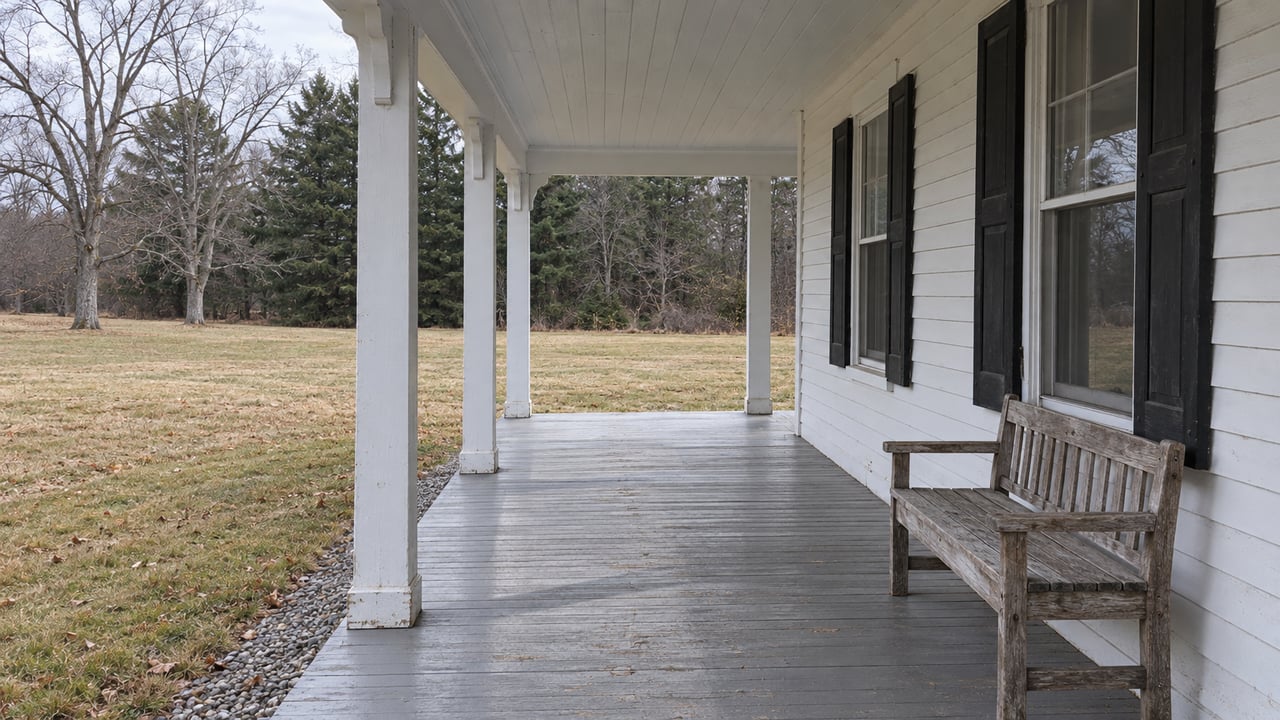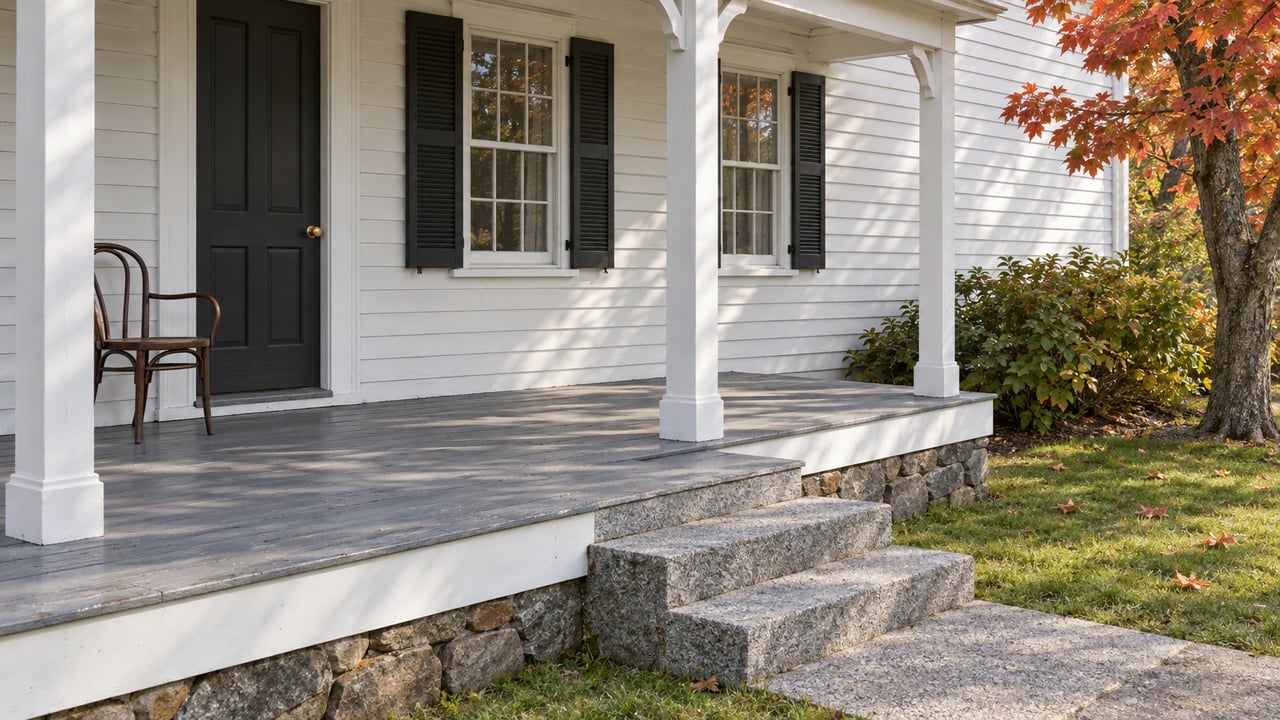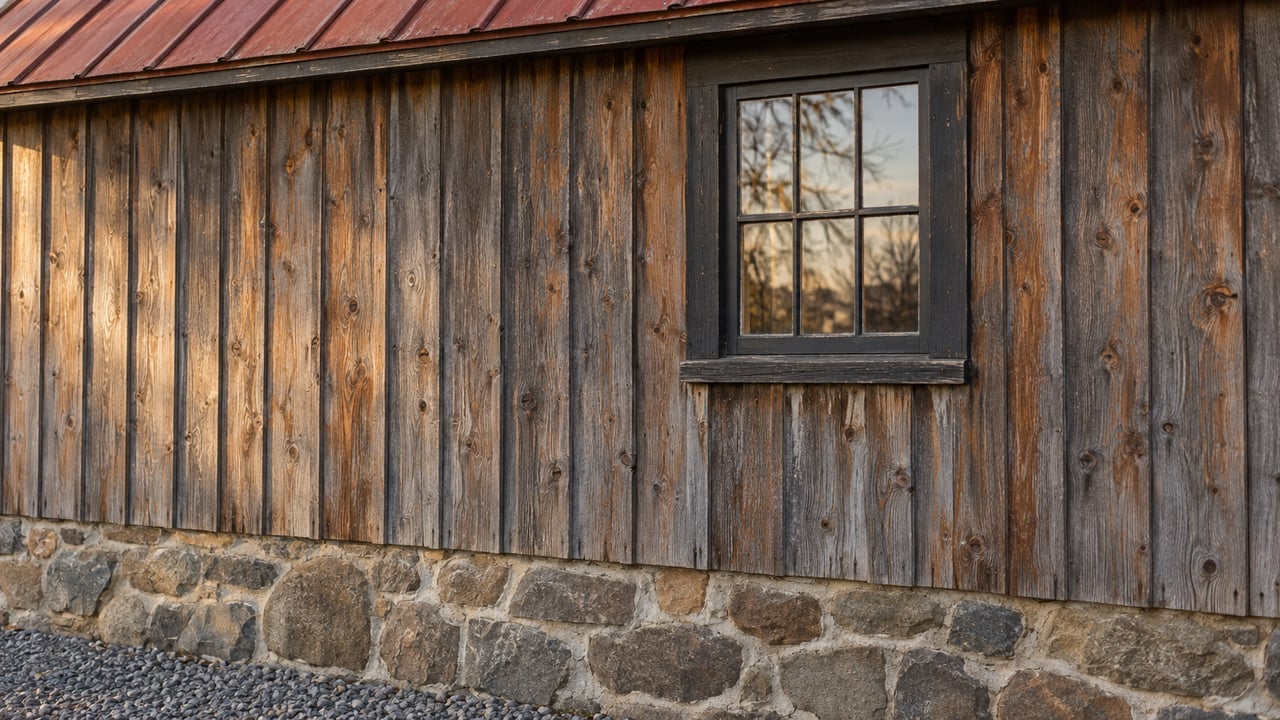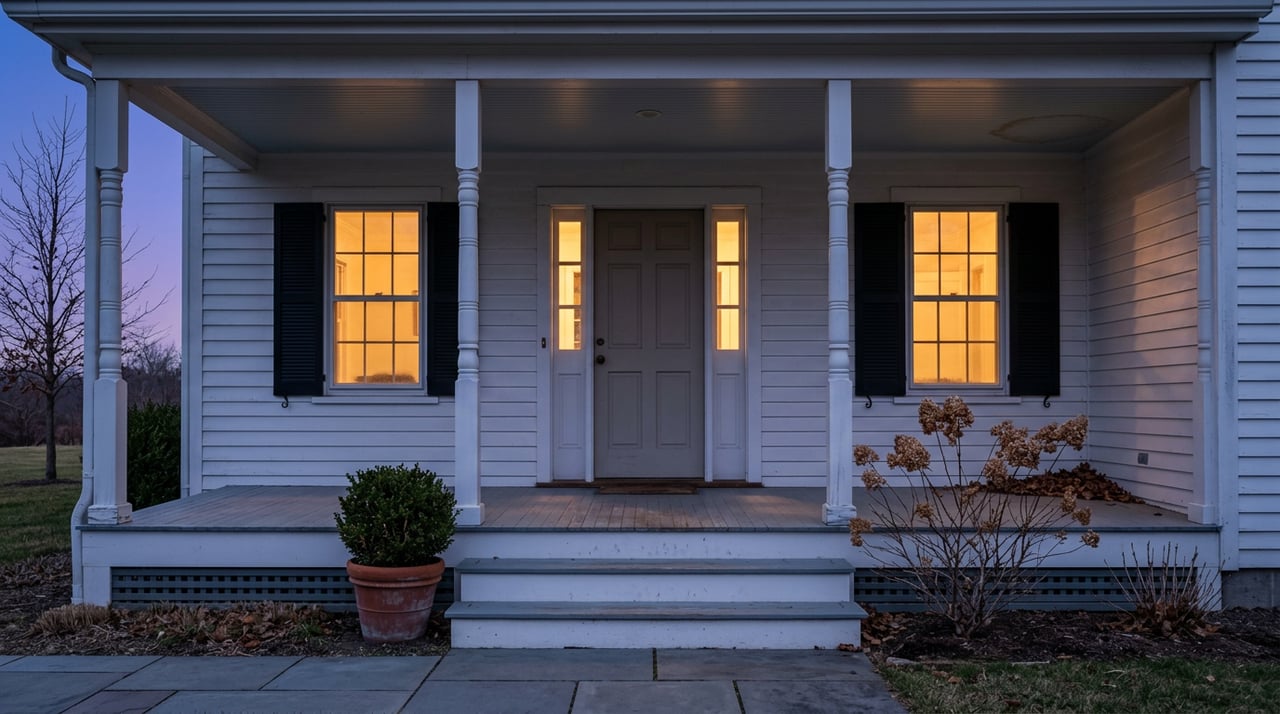
Do you love Ogunquit in the summer but wonder what it is like once the beach chairs are packed away? If you are thinking about a second home or a future retirement spot, the quiet season can be the best time to explore and buy. You will find fewer crowds, a slower pace, and often more room to negotiate. This guide shows you what to expect in fall and winter, how the off-season changes the market, and the smart steps to take before you write an offer. Let’s dive in.
Why shop in the off-season
When summer fades, Ogunquit shifts to a calmer rhythm. That change can work in your favor as a buyer.
- Less competition: Buyer traffic and showings usually slow in fall and winter. You often face fewer competing offers and can take more time to evaluate options.
- More negotiating room: Some sellers who keep properties on the market past summer are motivated. You may find flexibility on price, timing, and contingencies. Degrees of leverage vary by property type and overall supply.
- Clearer due diligence: Cold weather can reveal how a home performs under load, from heating to insulation and drainage. You get a real sense of winter realities that summer showings will not show.
- Focused inventory: New listings may dip, but active listings remain. Some owners withdraw and relist in spring, so watch for properties that stay active into winter.
What Ogunquit feels like off-season
Town rhythm and services
Ogunquit is highly seasonal. Visitor activity peaks in late spring through early fall. In the off-season, you will notice quieter streets, easy parking, and a local pace. Many summer-focused restaurants, shops, galleries, marinas, and lodging either reduce hours or close. Essential services like grocery, pharmacy, gas, and municipal functions operate year-round, often with limited hours. Cultural venues may scale back programming, so confirm schedules when you visit.
Weather and coastal conditions
Southern Maine winters are cold with freezing temperatures, snow, and occasional nor’easters. Coastal locations may feel slightly milder than inland towns but also face storm surge risk. Winter brings dramatic seas, crisp beach walks, and fewer people on trails and the Marginal Way. Plan for icy roads during storms and check local travel advisories before touring homes.
Strategy for off-season buying
Plan your search window
If you can tour from late October through March, you will see the quieter side of town and how different neighborhoods feel in winter. Give yourself extra time between showings to account for weather and reduced business hours. If you intend to close near holidays, build in buffers for lenders, title companies, and town offices.
Use your leverage wisely
You may be able to negotiate on price, closing date, furnishings, or repairs. Flexibility varies by property type, location, and inventory. Coastal resort markets can buck the pattern in tight-supply years, so anchor your decisions in recent local data. Ask your agent to pull recent comparable sales and days on market for the specific micro-area you are targeting.
Factor in rental goals
If you plan to rent seasonally, off-season deals can look attractive compared to peak-summer comps. Run full-year numbers with conservative assumptions. Off-season occupancy is low, and some lenders place limits on counting short-term income for qualification. Confirm local short-term rental rules with the town before you buy.
Build timing buffers
Weather can delay inspections and contractor visits. Some properties are winterized with water shut off. You may need a de-winterization, then a second inspection to confirm plumbing performance. Plan for a little extra time and cost to do this right.
Off-season inspection checklist
Winter conditions can help you spot issues and also make logistics more complex. Use this list to guide your due diligence.
- Heating system: Test the system under cold-weather load. Review fuel type, age, maintenance records, and efficiency. Ask for recent service history.
- Plumbing: If the home is winterized, schedule a re-inspection after de-winterizing to check for leaks or hidden freeze damage.
- Roof and drainage: Look for signs of ice dams, blocked gutters, and grading that pushes water toward the foundation.
- Foundation and basement: Check for moisture, cracks, or drainage problems. Snow can hide clues outside, so inspect inside thoroughly.
- Coastal exposure: For oceanfront or near-shore homes, review any shoreline erosion history, and ask about permits for coastal defenses such as seawalls or flood vents.
- Septic and utilities: Verify septic pump records, inspection reports, and utility connections. Coastal areas may have private wells or septic systems that require special attention.
- Access and services: Confirm year-round road maintenance, snow removal arrangements, and proximity to emergency services.
Ownership essentials for second homes
Heating and winterization
Many homes in Southern Maine heat with oil, propane, natural gas, or electric systems, including heat pumps. Verify the system type, age, and service plan. If you will not occupy the property full-time, set safe thermostat minimums, add smart thermostats and leak sensors, and schedule regular on-site checks. Discuss winterization protocols with a local property manager if you will be away for extended periods.
Snow and access
Understand how snow removal is handled for your driveway, walkways, and roof. Ask about driveway slope, parking space, and who is responsible for plowing. If there is a condo or HOA, confirm what winter services are included and what is owner responsibility.
Insurance and coastal risk
Coastal homes may sit in FEMA-designated flood zones or higher wind exposure areas. Flood insurance is separate from homeowner coverage and may be required by your lender. Get property-specific insurance quotes early, and ask about elevation certificates, premium drivers, and potential mitigation such as elevating mechanicals or adding flood vents.
Financing, usage, and taxes
Lenders classify loans differently for primary residences, second homes, and investment properties. Down payments, rates, and documentation vary. Some second-home loans require a minimum number of owner-occupied days and limit short-term rentals. If you intend to rent, confirm local rules with the town office and discuss how lenders will treat projected rental income. Review property tax assessments and ask the assessor’s office about current rates and any recent changes.
Local logistics and resources
- Access: Ogunquit is reached primarily by U.S. Route 1 and state roads. For air travel, use Portland International Jetport or Boston Logan.
- Town and records: The Town of Ogunquit website and town clerk can help with local ordinances, permits, and tax information. For title research and recorded documents, consult the York County Registry of Deeds.
- Market context: Ask your agent for recent MLS data and Maine Association of Realtors reports on pricing, inventory, and days on market for Ogunquit and nearby towns.
- Risk and insurance: Use FEMA flood maps and speak with a local floodplain administrator for zone details. The Maine Bureau of Insurance can provide guidance on homeowner and flood coverage in coastal locations.
- Vendor support: Winter service providers like oil and propane delivery, HVAC, plumbing, and snow removal can book up quickly. Line up your preferred vendors early.
Sample 30–60 day off-season timeline
- Week 1: Define your goals, budget, and loan type. Request a pre-approval that reflects second-home or investment terms as needed. Set search alerts for your target neighborhoods.
- Week 2: Tour properties in person during a winter visit. Note street maintenance, snow storage, and exposure to wind and storms.
- Week 3: Select a top choice and review comparables. Structure your offer to leverage timing and contingencies without overreaching.
- Weeks 4–5: Complete inspections. If winterized, schedule de-winterization and a follow-up inspection for plumbing and systems. Order insurance quotes based on actual property details and flood zone.
- Weeks 5–6: Finalize appraisal, loan conditions, and title work. Confirm snow removal, vendor contacts, and a winter operations plan for the home. Schedule a final walk-through with heat and water on.
How I help you buy with confidence
You deserve clear, local guidance that blends lifestyle insight with technical know-how. I work across Southern coastal Maine and nearby New Hampshire, and I bring hands-on experience with development, renovation, and shoreland regulations. Here is how I support you:
- Local market clarity: I provide micro-market comps, seasonal context, and negotiation strategy tailored to Ogunquit and its nearby communities.
- Practical due diligence: From flood zone questions to septic records and winterization plans, I help you ask the right questions and coordinate the right experts.
- Vendor network: I can connect you with trusted inspectors, insurance agents, HVAC and plumbing contractors, snow services, and property managers.
- Cross-border expertise: If your search spans Maine and New Hampshire, my dual licensing streamlines your process and paperwork.
Ready to explore Ogunquit without the summer rush? Reach out to schedule an off-season tour plan, review current inventory, and map your purchase timeline with a local advocate by your side. Connect with Brooke Peterson to get started.
FAQs
Is winter a good time to buy in Ogunquit?
- Yes, buyer activity often slows in fall and winter, which can reduce competition and create more negotiating room, though conditions vary by year and property type.
Will I pay less if I buy in the off-season in Ogunquit?
- Possibly, since some sellers are more motivated after summer, but final pricing still depends on supply, demand, and the desirability of the specific property.
Can I fully inspect a winterized home in Ogunquit?
- Yes, plan to de-winterize for testing and schedule a second inspection after systems are turned on to confirm plumbing and mechanical performance.
How do flood zones affect an Ogunquit purchase?
- If a property sits in a FEMA flood zone, your lender may require flood insurance; get early quotes and review elevation data and potential mitigation with your insurance professional.
What should out-of-state buyers know about winter access in Ogunquit?
- Expect occasional snow and ice that can impact travel and showings; confirm road maintenance, snow removal arrangements, and essential services near the property.
Are short-term rentals allowed in Ogunquit in winter?
- Rules can change, so confirm current short-term rental and zoning regulations directly with the Town of Ogunquit before you buy or market a rental.