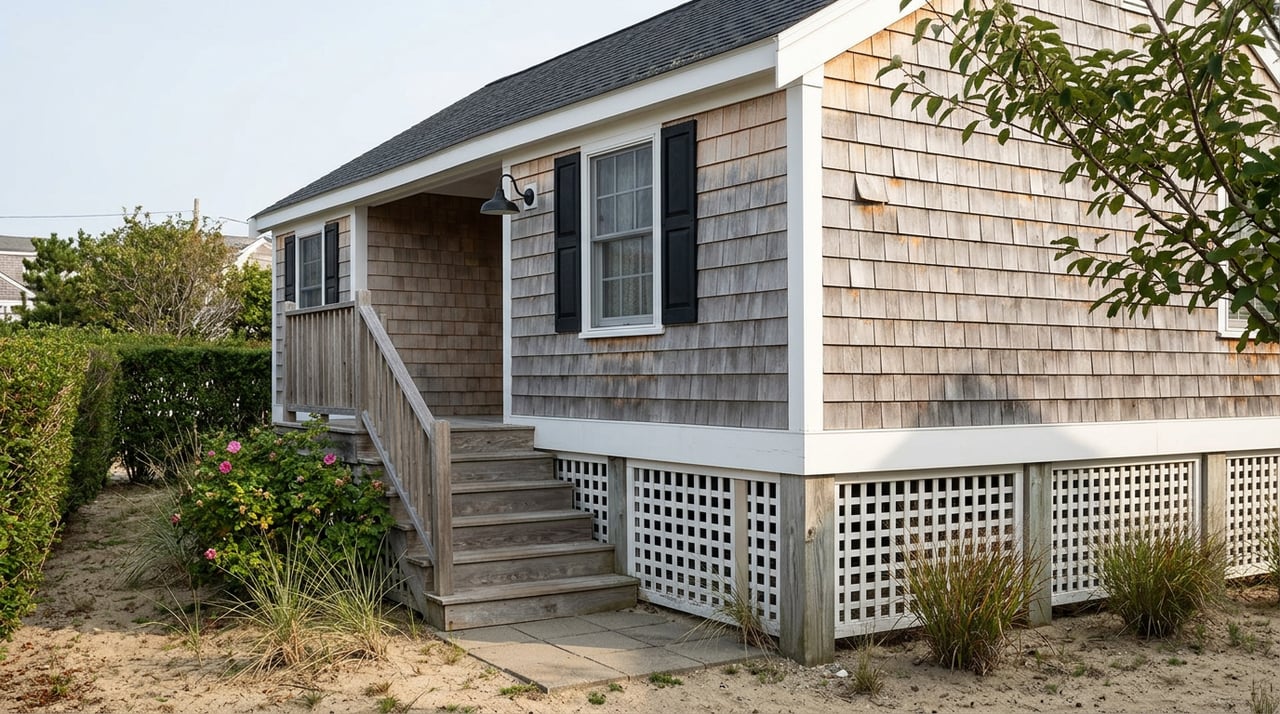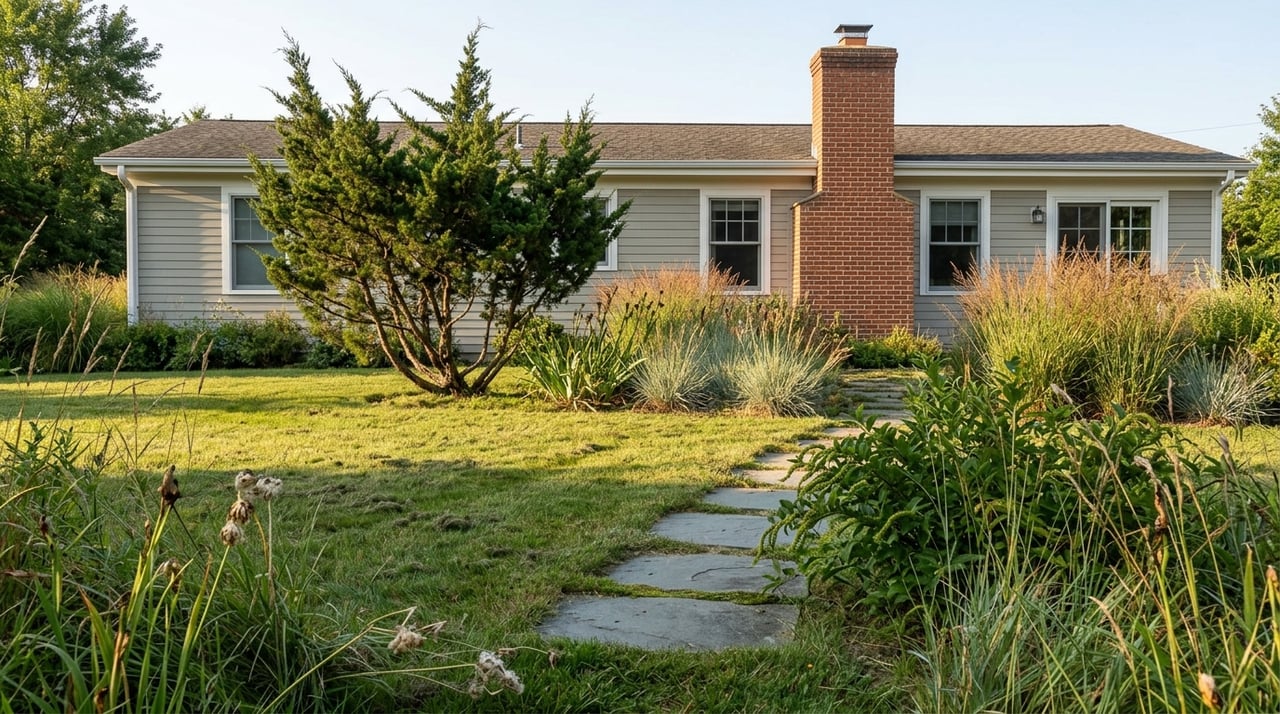
I've walked two Wells listings that looked like twins on paper. Both were three-bedroom cottages built in the 1970s. Both ran on private wells and septic systems, the kind of infrastructure that never shows up in a listing photo but quietly decides how a closing goes. One sat on a wooded half-acre a short walk from Route 1. The other sat closer to the marsh grass along the Webhannet River. Same era, same system type, similar price range. Only one of those sellers had to sign an extra state disclosure form at the closing table.
The difference wasn't the house. It was a line neither seller could see: the boundary of Maine's shoreland zone, drawn 250 feet back from the water's edge. That line never appears on a listing sheet, and most buyers don't think to ask about it. But it decides whether a Wells septic system is governed by the standard statewide disclosure rules, or by a second, stricter set of inspection and disclosure requirements layered on top.
The line nobody puts on a listing sheet
Maine's Mandatory Shoreland Zoning Act requires every town to regulate land within 250 feet of the normal high-water line of a great pond, river, or coastal wetland, including tidal marsh, and within 75 feet of certain streams. Wells has adopted its own shoreland ordinance to meet that state mandate, administered locally through the town's Code Enforcement Officer.
A septic system's distance from a protected water body, not the house sitting above it, is what pulls it into the stricter set of rules. Maine's standard purchase and sale agreement includes a specific provision for septic systems located in a shoreland zone. According to guidance the Maine Association of Realtors provides to its members, when a system falls inside that boundary, the buyer must have it inspected by a certified inspector before closing, or within nine months afterward if weather makes an earlier inspection impossible. The seller signs a separate form at closing, called a Transfer of Shoreland Property statement, disclosing any system malfunctions within the prior 180 days.
Outside the shoreland zone, none of that applies. The seller still completes Maine's standard property disclosure form, covering the septic system's type, tank size, installation date, and any known malfunctions, exactly as state statute requires. But there's no mandatory third party inspection, no 180-day lookback, no extra signature at the table.
Why this line runs through so much of Wells
Wells isn't a town with a small waterfront strip and a large inland buffer. The Webhannet River, the Merriland River, the Ogunquit River, and the marshland around Wells Beach and Drakes Island cut through a large share of the town's residential streets, well beyond what most buyers picture as "waterfront."
Wells also depends more heavily on private well and septic infrastructure than newcomers tend to assume. Public sewer service in town runs through the Wells Sanitary District, a utility the Maine Legislature created in 1970. That district still operates just 10 pump stations and 44 miles of sewer line, feeding a treatment plant built in the 1970s with capacity for 2 million gallons a day. That's real infrastructure, but it doesn't reach most of the older cottage neighborhoods that ring the marsh, meaning a large share of homes in town run on private systems rather than municipal sewer.
That infrastructure also requires steady upkeep. In March 2026, the Wells Sanitary District worked to repair a damaged sewer force main near Wells Harbor, closing nearby clam flats as a precaution while divers located and fixed the break. Water testing during the repair showed no detectable contamination, and sewer service was never interrupted, but the episode is a reminder that Wells's public sewer footprint is finite and aging in places. Wherever that footprint doesn't reach, private septic carries the load, and a meaningful number of those systems sit inside the 250-foot shoreland line without their owners realizing it.
Here's how the two scenarios actually compare at the closing table:
| Septic system outside the shoreland zone | Septic system inside the shoreland zone |
|---|---|
| No state-mandated septic inspection before closing, though lenders or buyers can still request one | Buyer must arrange a certified inspection before closing, or within nine months after if weather prevents it |
| Seller discloses system type, tank size, install date, and known malfunctions on the standard state form | Seller also signs a Transfer of Shoreland Property statement covering malfunctions in the prior 180 days |
| Standard 100-foot setback from any private well applies | Same well setback applies, plus the system must also clear Wells's shoreland river and wetland setback |
| Repairs or replacement follow the general permitting process through the Local Plumbing Inspector | Replacement must also fit within the shoreland district's tighter lot-coverage limit |
The lot-coverage squeeze on legacy lots
Wells's zoning code allows between 40 and 65 percent lot coverage in most residential districts, but inside the Shoreland Overlay District, that cap drops to 20 percent. Structures and parking areas in at least one shoreland district must also sit at least 200 feet back from the high-water line of the Merriland River, the Webhannet River, and the Ogunquit River.
The town's code goes further in specific places. Drakes Island has its own Residential D District, written to preserve what the ordinance calls the "family resort character of Drakes Island," with a 20-foot setback from the seawall for anything built there.
For a seller with an aging tank on a shorefront lot, that combination changes the renovation math. A replacement system has to satisfy the standard well setback and clear the river or wetland setback, all while fitting inside a lot that may already sit close to its 20 percent coverage ceiling. On older, narrow lots near the marsh, that sometimes rules out a conventional gravity system altogether, pushing the design toward a smaller-footprint engineered system that costs more to install and maintain. That's a materially different repair budget than most sellers expect, and it tends to surface during due diligence rather than before a home ever hits the market.
The seasonal-to-year-round trap
Second-home buyers eyeing a Wells cottage for year-round living should know about one more step. Converting a seasonal camp inside the shoreland zone into a full-time residence can require a seasonal conversion permit from the Local Plumbing Inspector, who confirms the existing septic system can handle daily year-round flow rather than a few weeks of summer use. A system that's fine for August weekends isn't automatically sized for a household living there in January.
What to do before you list or write an offer
- Ask your agent or Wells's Code Enforcement Officer whether the property's septic system falls inside the shoreland zone before you set a listing price or write an offer.
- If you're selling and the system is inside the zone, schedule a certified inspection early. The buyer's inspection window runs through the standard due diligence period, and delays there can delay the whole closing.
- Keep every pumping receipt, service record, and prior inspection report. The 180-day malfunction disclosure is only as reliable as the paperwork behind it.
- Don't assume "no water view" means "outside the shoreland zone." Marsh and river frontage reach further inland in Wells than the view from the street suggests.
- If you're planning to convert a seasonal property into a year-round home, check with the Local Plumbing Inspector about a conversion permit before assuming the current system is adequate.
FAQ
How do I find out if my septic system sits inside Wells's shoreland zone? Start with Wells's Code Enforcement Officer, who administers the town's shoreland ordinance and can confirm whether a specific parcel or structure falls within the 250-foot boundary from a protected water body.
Does the 180-day disclosure rule cover the well too, or just the septic system? The Transfer of Shoreland Property statement addresses the septic system specifically. Maine's private well disclosure requirements, covering water test dates and known problems, apply statewide regardless of shoreland location.
What if my septic system predates Wells's shoreland ordinance? An older, nonconforming system can often remain in place as is, but repairs or replacement generally have to meet current setback and coverage rules, which is exactly why replacement gets complicated on tight shorefront lots.
Does this apply to condos in Wells that share a septic system? Shared systems trigger the same shoreland rule based on the system's physical location, though the inspection and disclosure responsibilities may run through the condo association rather than an individual owner. Check the association's records before assuming anything is already handled.
Septic systems rarely make it into a showing, but they can absolutely make or break a closing timeline, especially in a town where the shoreland line runs through so many ordinary streets rather than just the priciest waterfront lots. If you're weighing a Wells purchase or getting ready to list a home with a private system, Brooke Peterson Real Estate has spent years working through exactly this kind of shoreland and permitting detail with buyers and sellers across town. Request Your Instant Home Valuation to start the conversation before these details become a surprise at the closing table.