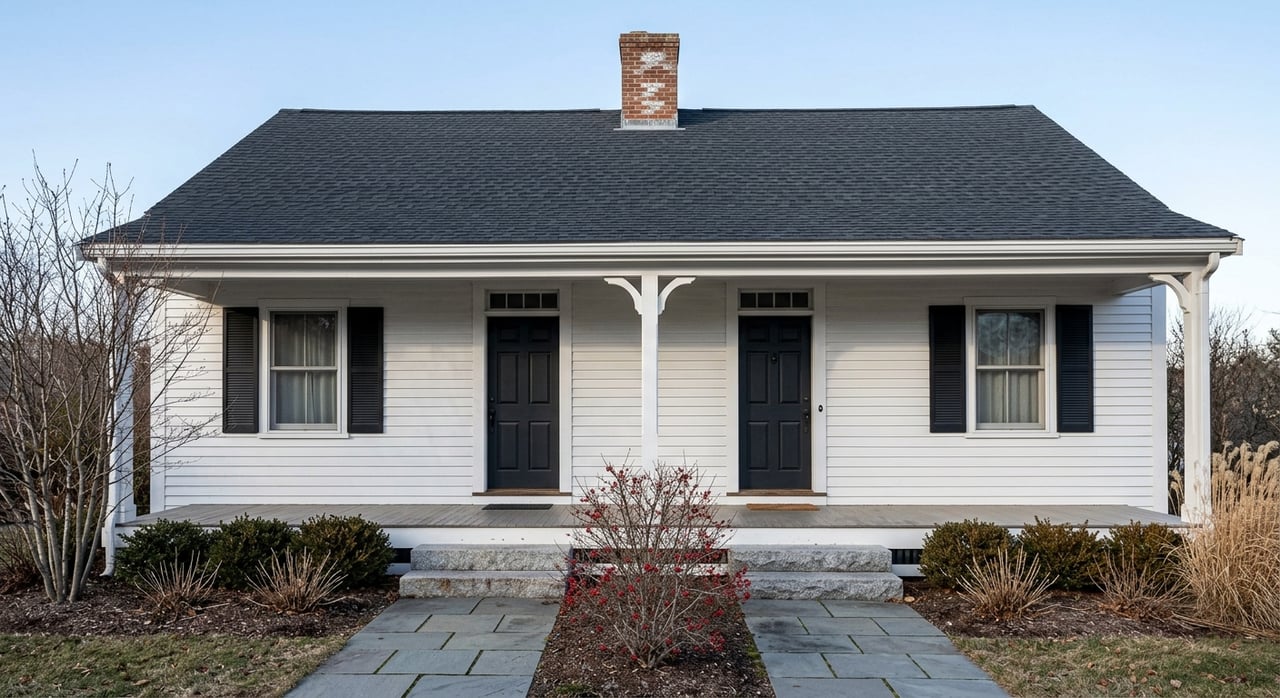
If you own an investment property in Ogunquit, timing and preparation can shape your sale more than you might think. In a small, tourism-driven market, buyers often move quickly when a property checks the right boxes, but they also look closely at rental history, local compliance, and how easy the property will be to take over after closing. If you want a smoother sale and stronger buyer confidence, it helps to get the details right before your listing goes live. Let’s dive in.
Why Ogunquit investment properties stand out
Ogunquit is a small coastal town with a strong tourism economy and a well-known summer high season. The town’s planning documents note that the local economy is dominated by summer activity, while also pointing to efforts to extend the season through attractions and programming such as the Ogunquit Playhouse and Christmas by the Sea.
For sellers, that creates a unique setup. A well-located cottage, condo, or second home with rental history may attract interest from both lifestyle buyers and income-focused buyers. In a town with less than 4.5 square miles of land and growing use of homes as transient accommodation, existing investment properties can get outsized attention.
Timing your sale in Ogunquit
Summer brings visibility and logistics challenges
Midsummer can put your property in front of the most visitors and potential buyers. People are already in town, they can experience the location firsthand, and they may be especially motivated by how the property performs during peak season.
At the same time, summer can make a sale more complicated. Showings may be harder to schedule around guest stays, turnovers, parking, and access. If your property is actively rented, peak demand may not be the easiest time to accommodate buyers.
Shoulder seasons can make showings easier
If your calendar allows flexibility, the shoulder seasons may offer a more manageable path. Buyers can still evaluate the property and the area, but you may have fewer conflicts with weekly rentals or heavy seasonal traffic.
This can be especially helpful if you want time to refresh the property, organize records, or deal with any outstanding compliance items before going live. In many cases, a smoother process supports stronger buyer confidence.
Verify local compliance before listing
One of the smartest things you can do before selling an Ogunquit investment property is confirm that your local paperwork is current. Buyers want fewer surprises, and local compliance questions can slow a deal if they come up late.
Understand Ogunquit rental registration rules
Ogunquit defines a weekly private home rental as TA-1 lodging with a minimum stay of seven days. The town also says owners of weekly private house, apartment, condominium, or similar dwelling-unit rentals must apply for business registration through the Clerk’s Office.
The town’s current registration page shows an annual cycle running from July 1 to June 30. If your property has been used as a weekly rental, it is worth confirming that your registration status is current and matches the way the property has been operated.
Check for inspection or regulatory issues
The Town Clerk works with Fire, Land Use, and Police to make sure proper inspection and regulatory requirements are met before the town can register certain businesses. For a seller, that means compliance should be checked early, not after a buyer starts asking questions.
If there are any open items, it is better to identify them before the listing goes live. A cleaner compliance story can make your property easier to evaluate and easier to transfer.
Review Maine lodging tax status
Maine Revenue Services says rentals of living quarters are taxed at 9%. The same guidance says a person engaged in the rental of living quarters must register as a retailer, and that framework includes cottages, condominium units, vacation homes, and transient rental platforms.
There is a limited exception for a person with only one rental unit who rents it fewer than 15 days in a calendar year. Maine Revenue Services also notes that if a manager or intermediary handled bookings, that intermediary may be responsible for registration and sales tax collection. Before listing, it helps to know how your property was set up and who handled tax collection.
Confirm property tax timing
Ogunquit says property taxes are assessed to the owner of record as of April 1 and remain billed in that owner’s name until paid. The town also says taxes are due in two installments on October 15 and the following April 15.
If the property is sold after April 1, the assessed owner is expected to forward the bill to the new owner. This is a small detail that can become an avoidable headache if it is not addressed clearly during the sale.
Prepare records buyers will want to see
For an investment property, buyers are not only buying the building. They are also evaluating the income story, the operating pattern, and how easy it will be to support financing.
Rental income history matters
Fannie Mae’s home-loan checklist says lenders require documentation of income sources and assets, including tax returns for the last two years for rental income. When relevant, proof of rent payments or a copy of the lease may also be needed.
Fannie Mae’s rental-income guide also says current lease agreements can sometimes be used, and gross monthly rent must still be documented for lender reporting even when the borrower is not using rental income to qualify. For investment properties, gross monthly rent must be reported regardless.
Build a clean property file
That means your records matter. If you can present clear tax reporting, current lease documentation when relevant, and organized income history, buyers and their lenders have a much easier time understanding the property.
In Ogunquit, this is especially important because peak summer performance can look very attractive at first glance. Still, documented and repeatable income usually matters more to lenders than a few strong seasonal weeks.
Handle tenant-occupied properties carefully
If your investment property is occupied, your showing plan needs to respect Maine law and stay predictable. A rushed approach can create tension with tenants and make access harder than it needs to be.
Maine notice rules for showings
Maine law says a tenant may not unreasonably withhold consent for a landlord to exhibit a dwelling unit to prospective purchasers. The law also says the landlord must give reasonable notice and enter only at reasonable times.
The statute says 24 hours is presumed to be reasonable, and any agreement by a tenant to waive those rights is void. In practice, that means same-day showing habits are usually not the best fit for a tenant-occupied sale.
Use a predictable showing schedule
A clear schedule often works better than constant one-off requests. Setting notice procedures, showing windows, and an organized calendar can reduce friction and help keep the sale moving.
This approach is not just courteous. It can also lead to better access, better cooperation, and a better overall experience for everyone involved.
Present furnished and short-term rentals clearly
Many Ogunquit investment properties are sold furnished or partially furnished, especially if they have been used as short-term rentals or seasonal second homes. In those cases, buyers need a clear picture of what they are actually purchasing.
Make inclusions and exclusions easy to understand
A written list of what is included and excluded can prevent confusion. That might cover furniture, kitchen items, outdoor pieces, decor, or operational items tied to rental use.
This is practical more than legal, but it helps buyers evaluate the property as a usable asset. It also reduces the chance of mismatched expectations later in the transaction.
Focus on access and presentation
For furnished properties, clean presentation still matters. Buyers need easy access, uncluttered rooms, and a layout that helps them see both the lifestyle appeal and the operational value.
A polished showing experience can make the property feel more turnkey. That can be especially important when your likely buyer is comparing several coastal options.
A practical seller checklist
Before you list your Ogunquit investment property, work through the basics that most directly affect buyer confidence:
- Confirm whether town rental registration is current
- Verify whether any inspection or code items are still outstanding
- Review lodging tax setup and who handled registration or collection
- Check property tax status and note the April 1 assessment date
- Organize two years of rental income records and related tax reporting
- Gather current leases if the property is tenant-occupied
- Build a showing plan around notice requirements and reasonable access
- Prepare a written list of included and excluded furnishings or equipment
These steps can make your property easier to market, easier to explain, and easier for a buyer to underwrite.
Why local guidance helps
Selling an investment property in Ogunquit is different from selling a simple primary residence. You may be balancing bookings, tenant rights, registration rules, tax details, and buyer questions about income all at once.
That is where local, detail-oriented guidance can make a real difference. With the right preparation, you can position the property clearly, reduce avoidable friction, and give buyers the confidence to move forward.
If you are thinking about selling an investment property in Ogunquit and want a practical strategy built around your property’s use, records, and timing, connect with Brooke Peterson for local guidance and next steps.
FAQs
What should you verify before selling an investment property in Ogunquit?
- You should confirm town rental registration status, check for any inspection or regulatory issues, review lodging tax setup, and verify property tax timing before the listing goes live.
How does Ogunquit define a weekly private home rental?
- Ogunquit defines a weekly private home rental as TA-1 lodging with a minimum stay of seven days, and owners of these rentals must apply for business registration through the Clerk’s Office.
What tax details matter when selling an Ogunquit rental property?
- Maine says rentals of living quarters are taxed at 9%, and Ogunquit says property taxes are assessed to the owner of record as of April 1, with installments due October 15 and April 15.
How should you handle showings for a tenant-occupied property in Maine?
- Maine law says landlords must give reasonable notice and enter at reasonable times, with 24 hours presumed reasonable, so a predictable showing schedule usually works best.
Why do buyers care about rental income records for an Ogunquit investment property?
- Buyers and lenders often want clear documentation such as tax returns, lease records, and gross rent history so they can evaluate the property’s income more confidently.
What should you include when selling a furnished Ogunquit short-term rental?
- You should prepare a written list of included and excluded furnishings, equipment, and other operational items so buyers understand exactly what comes with the property.