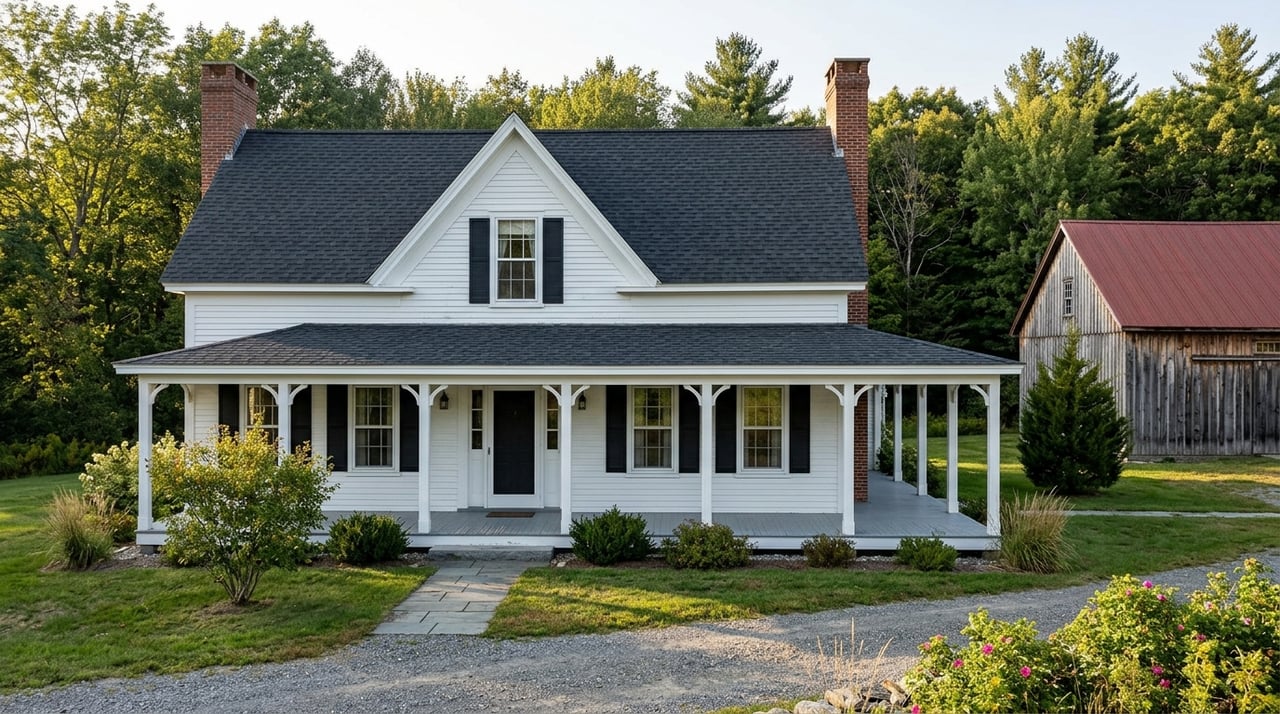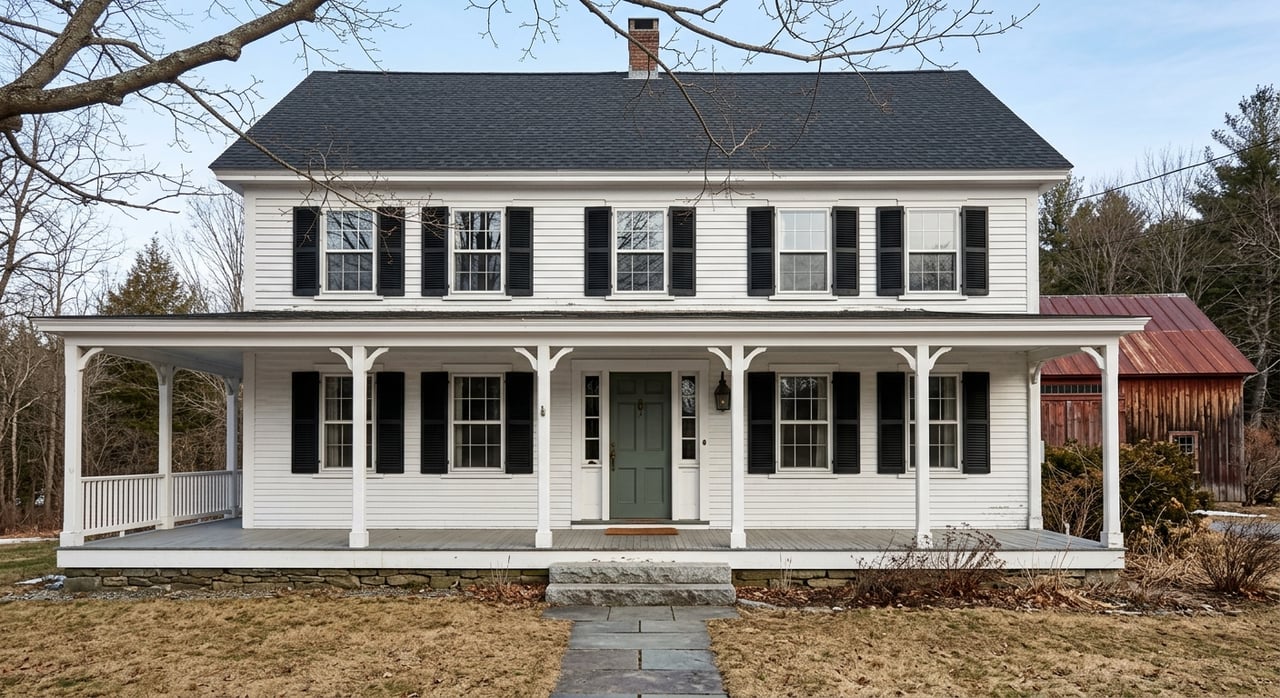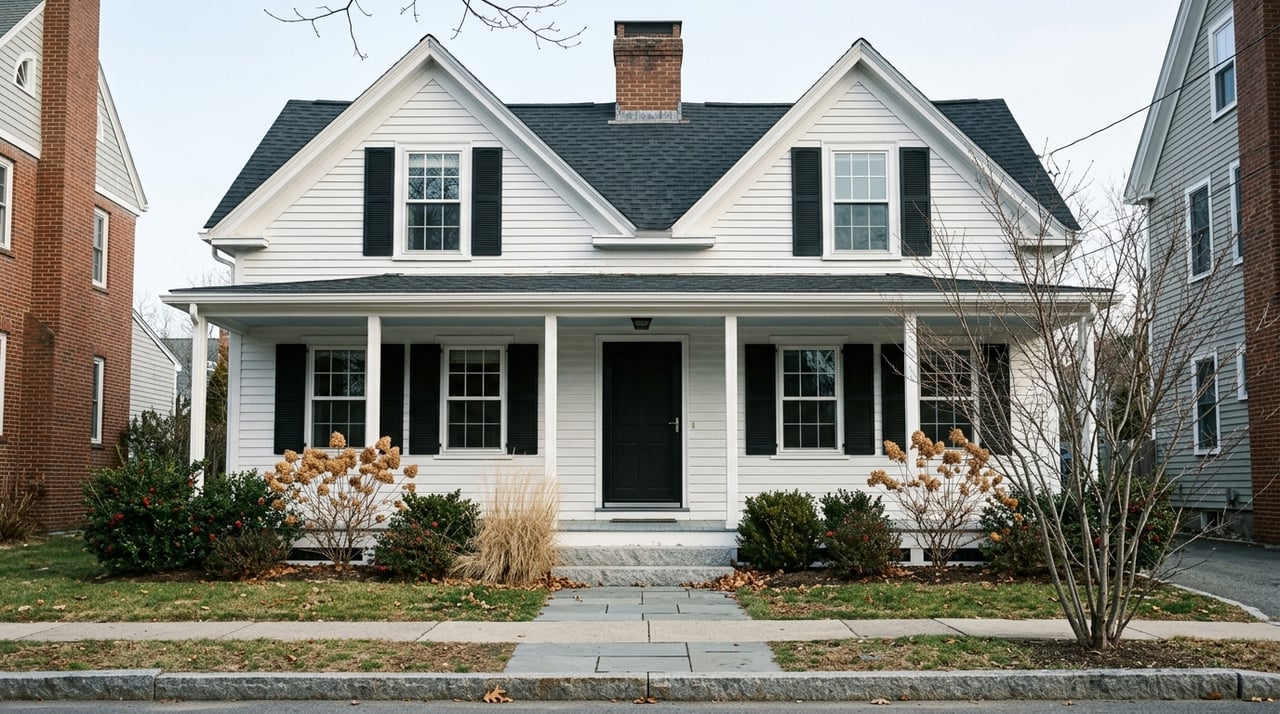
Dreaming about Ogunquit usually starts with a simple question: do you want to wake up near the water, or do you want to be able to walk to almost everything? In a compact town like Ogunquit, that choice shapes your daily routine, your maintenance responsibilities, and often your budget. If you are weighing waterfront against in-town living, this guide will help you compare the lifestyle, property types, and practical tradeoffs that matter most. Let’s dive in.
How Ogunquit Living Feels
Ogunquit is a small resort town with a very distinct layout. Town planning materials describe a 2,675-acre community with a 3.5-mile barrier beach, a heavily developed east side, and Route 1 serving as a commercial hinge.
That layout has a direct effect on how different parts of town feel. The closer you are to the beach, cove, and shoreline activity, the more you tend to experience Ogunquit’s visitor-facing summer rhythm. If you are closer to the village and Main Street areas, convenience and walkability often become the bigger draw.
Seasonality matters here more than it does in many Maine communities. Ogunquit’s own municipal materials note that summer tourism brings tens of thousands of visitors per day, and paid beach and cove parking plays a major role in how the town functions during the warm season.
Waterfront Homes in Ogunquit
What Waterfront Really Offers
Waterfront ownership in Ogunquit is usually about direct access, views, or proximity to the ocean, river, cove, or shoreline. The town describes Perkins Cove as an active working fishing harbor, which adds to the maritime feel many buyers want.
That said, waterfront does not mean one single property type. Current inventory includes shoreline homes, condos, and newer coastal construction, so your options may range from a classic coastal cottage to a more updated low-maintenance property.
The Lifestyle Upside
If your priority is scenery and a strong connection to the coast, waterfront can be hard to beat. You may be buying for the view, the sound of the water, or the ability to enjoy Ogunquit’s shoreline features as part of your everyday routine.
For second-home buyers especially, that emotional pull is real. Waterfront often delivers the classic Ogunquit experience people picture when they think about owning along the Southern Maine coast.
The Tradeoffs to Expect
Waterfront living also comes with more exposure to visitor activity, seasonal traffic patterns, and boating or harbor activity depending on the location. In areas near Ogunquit Beach or Perkins Cove, summer can feel busy in a way that is part of the appeal for some buyers and a drawback for others.
This is where the exact property location matters. Two waterfront homes in Ogunquit can offer very different ownership experiences depending on access, road patterns, lot layout, and how close they are to high-traffic visitor areas.
In-Town Homes in Ogunquit
Why Buyers Choose In-Town
In-town homes typically trade direct water frontage for convenience. A key appeal is the ability to stroll to shops, restaurants, Marginal Way, Ogunquit Beach, and Perkins Cove without relying on your car for every outing.
For many buyers, that walkable lifestyle is the real luxury. You may not have water outside your window, but you can often enjoy a simpler day-to-day routine with easy access to the places that define Ogunquit.
What In-Town Inventory Looks Like
Town planning materials describe the Route 1 and village area as having housing on smaller lots, with single-family homes mixed in with larger buildings. Current listings also show a mix of New Englanders, condos, and compact homes built around central location and limited parking.
This means in-town buyers are often comparing very different ownership models. One property may offer the charm of an older home, while another may offer condo-style simplicity and less exterior upkeep.
The Everyday Tradeoff
In-town living can be easier from a convenience standpoint, but it still requires careful due diligence. Depending on the property, you may need to look closely at parking, association responsibilities, shared maintenance, or the condition of an older structure.
In other words, in-town does not automatically mean easier in every way. It usually means a different set of practical questions than you would ask on a shoreline property.
Waterfront vs In-Town: Key Differences
Here is a simple side-by-side look at how the two options often compare in Ogunquit:
| Factor | Waterfront Homes | In-Town Homes |
|---|---|---|
| Main appeal | Views, direct water access, coastal setting | Walkability, convenience, village access |
| Typical setting | Near beach, cove, river, or harbor activity | Near Main Street, Route 1, shops, and restaurants |
| Summer rhythm | More exposed to visitor traffic and seasonal activity | Still seasonal, but often easier for day-to-day access |
| Common property types | Shoreline homes, condos, coastal construction | New Englanders, condos, compact homes |
| Main due diligence focus | Shoreland zoning, setbacks, exposure, usable lot area | Parking, upkeep, shared maintenance, property condition |
| Price pattern | Often higher premium | Can be lower, but not always |
What to Know About Waterfront Regulations
If you are considering a waterfront or near-water property, Ogunquit requires more detailed review than many buyers expect. The town’s shoreland zone extends within 250 feet of certain water features, and the ordinance includes setback rules for structures, roads, driveways, and parking areas.
The same ordinance also restricts fill below the high-water mark and tightly regulates piers, docks, and similar structures. If you are hoping to renovate, expand, or change site features, those rules can directly shape what is possible.
This is one reason waterfront shopping should be done parcel by parcel, not just by street name or online description. A beautiful location does not always mean flexible future use.
Why Exposure Matters on Shoreline Property
Ogunquit’s 2024 sea-level-rise inventory identifies beaches, coastal roads, Marginal Way, Perkins Cove, beach parking, and wastewater infrastructure as vulnerable. It also cites modeling showing that 1.6 feet of sea-level rise could reduce Ogunquit’s dry beach area by 42% by 2050 or earlier.
For you as a buyer, the takeaway is not to avoid the shoreline automatically. It is to review access, site conditions, and location-specific exposure carefully before you make assumptions about long-term use or value.
Another important detail is lot usability. Town materials note that beachfront parcel boundaries may extend to the low-water mark, so the practical outdoor space can be meaningfully smaller than the parcel size may first suggest.
How Pricing Compares in Ogunquit
Ogunquit is a small, premium-priced market. Public market snapshots show 31 total homes for sale and 23 waterfront homes, with waterfront inventory carrying a median listing price of about $1.5 million.
That same snapshot shows homes typically spending around 41 days on market and drawing roughly five offers. For broader context, York County’s Q1 2026 median sale price was $500,000, while Maine’s was $384,250.
Those larger numbers help show how distinct Ogunquit can be, especially for waterfront inventory. Still, in-town does not automatically mean bargain pricing.
Recent waterfront examples include properties on Perkins Cove Road listed at $1.75 million, $2.95 million, and $3.75 million. In-town examples include Main Street properties at $619,900, $1.265 million, and Village Square inventory as well, which shows how sharply price can shift based on property type, condition, and exact location.
Which Buyer Often Prefers Waterfront
Waterfront tends to fit buyers who want the setting itself to be the priority. If you picture your home as a retreat built around views, shoreline access, and a strong coastal atmosphere, the premium and added complexity may feel worthwhile.
This can be a strong fit for second-home buyers, lifestyle-driven purchasers, and buyers who are comfortable doing more detailed due diligence around zoning, setbacks, and long-term property planning. It may also appeal to buyers who want a distinctive asset in a tightly held coastal market.
Which Buyer Often Prefers In-Town
In-town homes often appeal to buyers who want Ogunquit’s energy without needing a waterfront lot. If your ideal day involves walking to coffee, dinner, the beach, or Perkins Cove, an in-town location may line up better with how you actually plan to use the home.
This option can also make sense if you prefer a condo, a smaller footprint, or a property with fewer shoreline-specific regulatory issues. For some buyers, being able to lock up and leave more easily is part of the value.
Questions to Ask Before You Choose
Before you decide between waterfront and in-town, it helps to get very specific about how you will use the property. Start with questions like these:
- Do you want views and direct proximity to the water, or do you care more about walking to daily destinations?
- How much summer activity are you comfortable living near?
- Are you open to shoreland zoning limits or renovation constraints?
- Would you rather manage an older in-town home, or would a condo or lower-maintenance property suit you better?
- If rental use matters, have you confirmed Ogunquit’s short-term rental rules and any association restrictions?
Ogunquit requires registration for short-term rentals on a minimum seven-day basis. If rental income is part of your plan, that should be verified early, along with any condo or association rules that may apply.
Making the Right Ogunquit Choice
There is no universal winner between waterfront and in-town homes in Ogunquit. The better choice depends on whether you value shoreline setting more than convenience, and whether you are comfortable with the maintenance, regulation, and pricing that can come with a water-facing property.
The good news is that both options can offer a strong Ogunquit lifestyle. The key is matching the property to the way you want to live, not just the way the listing looks online.
If you want help comparing waterfront and in-town options in Ogunquit, Brooke Peterson offers local, high-touch guidance grounded in real market knowledge and practical experience with shoreland and property-related considerations.
FAQs
What is the main difference between Ogunquit waterfront and in-town homes?
- Waterfront homes usually prioritize views, water access, and coastal setting, while in-town homes usually prioritize walkability, convenience, and easier access to shops, restaurants, and village destinations.
Are Ogunquit waterfront homes always more expensive than in-town homes?
- Not always, but waterfront homes often carry a significant premium. In-town homes can still be expensive depending on their location, condition, and property type.
What should buyers know about Ogunquit waterfront lot size?
- On some beachfront parcels, boundaries may extend to the low-water mark, which means the usable outdoor area can be smaller than the full parcel size may appear.
What regulations affect waterfront homes in Ogunquit?
- Waterfront and near-water properties may be affected by shoreland zoning rules, including setbacks for structures and limits on certain site changes, fill, piers, docks, and related improvements.
Is in-town Ogunquit living more walkable than waterfront living?
- In many cases, yes. In-town homes are often chosen for easier walking access to Main Street, shops, restaurants, Marginal Way, Ogunquit Beach, and Perkins Cove.
What should buyers know about renting a home in Ogunquit?
- Ogunquit requires registration for short-term rentals on a minimum seven-day basis, so you should confirm town requirements and any association rules before counting on rental income.