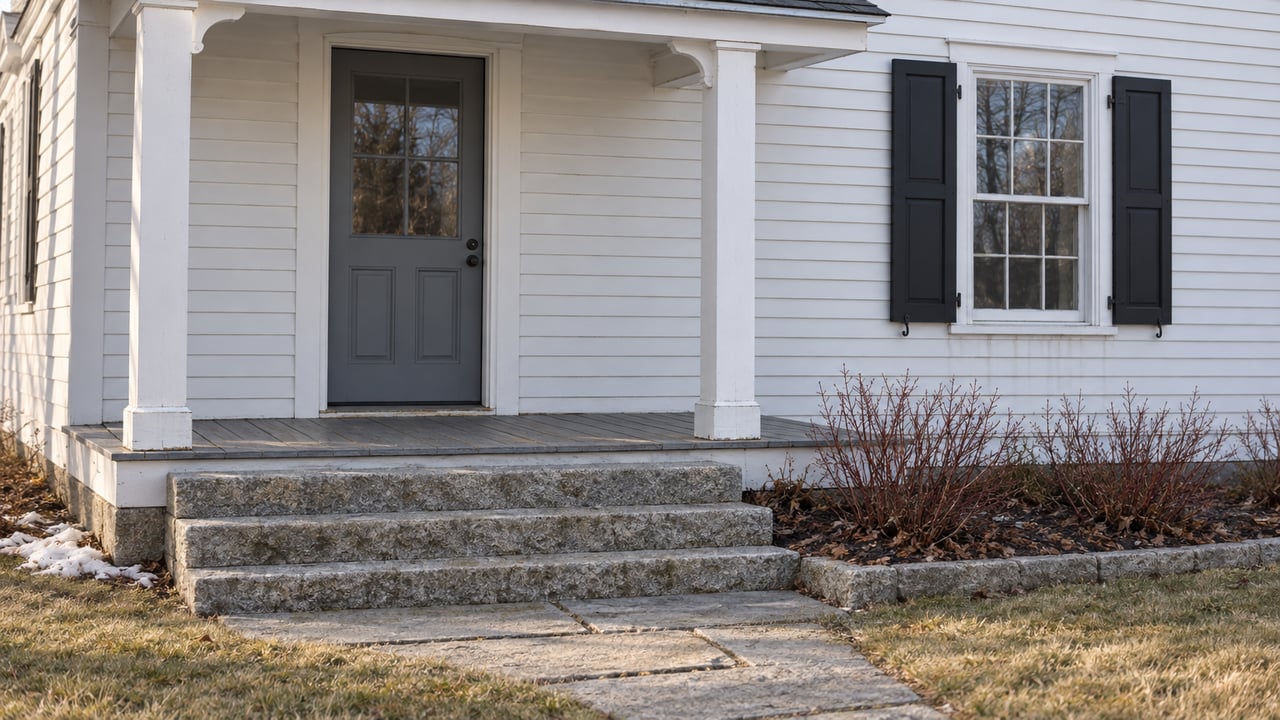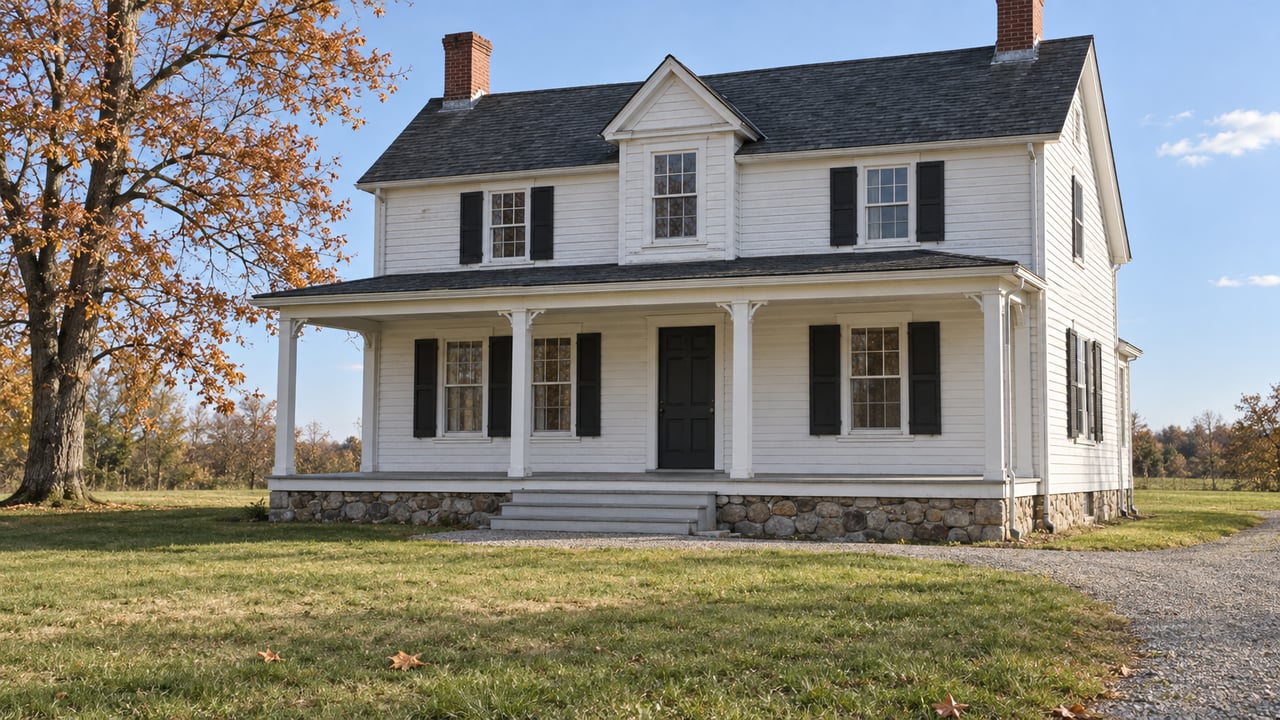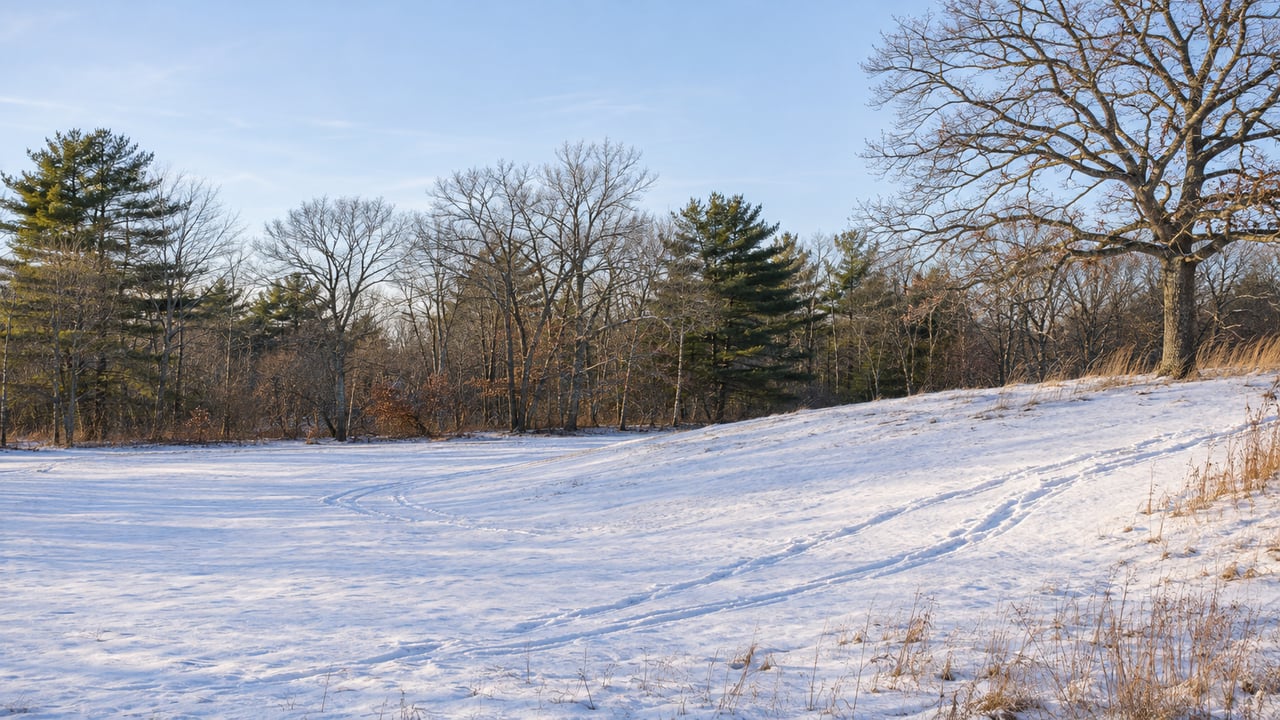
"The hill below the Farmhouse (Visitor Center) is known by locals as one of the best sledding hills in the area." That line comes from the Wells Reserve's own winter recreation page. In other words, the Reserve itself points winter visitors to the slope outside its front door.
As of this week, though, nobody is inside that Farmhouse. The Reserve's 2026 schedule lists the Visitor Center and exhibits as closed from November 7 to December 31. The trails are still open every day from 7am to sunset. Public restrooms stay open year-round, and admission isn't collected until May, though donations are encouraged. Through the end of December, Laudholm runs with the building dark and the land open. Most of what it offers in winter needs no staff at all: a sledding hill, a boardwalk, and a trail out to the beach. You only need to know where they are.
Start at the hill, because it has two speeds
The Reserve's winter page lists two sledding options. One is the open slope below the Farmhouse, the one with the local reputation. The other is the Laudholm Connector off the Knight Trail, which the page says "offers a steeper plunge."
The trail descriptions add some detail on the Connector. It's a steep path down to the Pilger Trail, and the Wind Phone stands along the way. Families with a mix of ages can use the Farmhouse slope for younger kids and the Connector for anyone who wants more speed.
If you drive an EV, the public lot has two Level 2 charging stations with a three-hour limit. That covers an afternoon on the hill and a walk afterward.
The trails are open but not groomed, so bring your own gear
The Reserve calls its seven miles of trails "easy to moderate." They're open year-round for hiking, snowshoeing and cross-country skiing, and they aren't groomed in winter. How well skiing or snowshoeing works depends on the snow that week, and there are no rentals on site.
The closest rental counter is on Route 1. Gorham Bike & Ski's Wells store at 2128 Post Road rents cross-country skis and snowshoes along with bikes and downhill skis. Its cross-country ski rental page lists a classic touring package at $35 per day. A day rental makes sense when you want to try the trails after a fresh snowfall before buying your own skis.
Four routes to know when the snow is in
The Reserve names its trails and suggests routes on its Trails & Beach page, and it offers a downloadable trail map. Each route below suits a different kind of winter day.
To the beach: Knight to Barrier Beach to Laudholm Beach
The Reserve calls this its most popular route and the best way to the beach. It opens with a wide view over grassland toward Mount Agamenticus. Then it runs through an old apple orchard and an aspen grove, over a dike, and out the Drakes Island gate toward Laudholm Beach.
Check the tide before you go. The Reserve notes that high tide leaves little beach for walking, but at other tides you'll find cobbles, sand, ancient peat and tide pools. The mouth of the Little River is half a mile to the northeast, where barrier dunes protect a small mud flat. The Barrier Beach Trail description says the beach is "best at low tide." Plan this route around low tide.
The boardwalk: Cart Path to Laird-Norton to Barrier Beach
Start on the Barrier Beach Trail and take an early left down the Cart Path, which passes old farm buildings and open grassland. A gate blocks a research road that isn't open to the public. The Laird-Norton boardwalk branches off to the right and crosses dry and wet ground through mixed woods. A short spur leads to the Barrier Beach Overlook, a deck at the edge of the salt marsh that looks across to the Little River mouth. At the Barrier Beach Trail crossing, turn left for the beach or right to head back to the Laudholm campus.
The woods: Saw-whet to Farley to Cart Path
On a windy day, this is the route that keeps you under trees. From the parking lot, walk back along the entrance road to the start of the Saw-whet Trail, which runs under mature conifers and hardwoods past the Forest Learning Shelter. Where the Saw-whet ends at a T, turn onto the Farley Trail. It crosses a field and then goes back into deep woods, with two small overlooks on the Little River Estuary, before coming out at the bottom of the Cart Path for the climb back to campus.
For something shorter, the Reserve suggests pairing the Muskie and Pilger trails for a one-mile loop through meadow, wooded swamp and upland forest.
Guided programs to book ahead
With the building closed, guided programs are the main way to see the Reserve with a naturalist. The winter page says guided walks and occasional wildlife tracking workshops run through the season and points visitors to the program calendar. These dated programs from late November into February are worth booking:
- Full Moon Walk, Monday, November 23, 4:30 to 6:00pm. The calendar describes it as a winter-night walk. Registration is required, and the cost is $8 for members, $10 for nonmembers, $20 for a member family and $25 for a nonmember family. Event page.
- Wednesday Walk, Wednesday, December 2, 10:30am to noon. It's free, but you need a reservation by phone, email or online registration. The listing says the series meets every other week through April.
- Climate Stewards Book Club, Thursday, February 25, 2027, 1:00 to 3:00pm. Reservations are required. The listing says it's free with site admission. Event page.
- Climate Stewards Book Club, Saturday, February 27, 2027, 10:00am to noon. The terms are the same, and this session suits anyone who can't make a weekday. Event page.
Since the Wednesday Walk repeats every other week, it's the most regular way to walk with a guide this winter. Each of these programs needs a reservation or registration, so book ahead and check the calendar before you drive over.
A new director's first full winter
Paul Dest retired this year after 25 years as executive director, and Jennifer Seavey took over on January 5, according to the Portland Press Herald. The same report says NOAA provides 70% of the Reserve's funding. Since the change came in January, this is the first full winter season with Seavey leading the Reserve. Donations matter more in the off-season because no admission comes in until May.
The rules stay the same all year
The same site rules apply in every season. Stay on the trails, and leave bikes, motor vehicles, fires and camping at home. Smoking isn't allowed, and neither is collecting. Dogs and other pets aren't allowed either, so a dog walk needs a different spot. Our post on where Wells dog rules come from in the off-season covers the town beaches and other options nearby. The beach route ends at the Drakes Island gate, and if you also use Drakes Island Road, our update on the Drakes Island Bridge explains that project.
The Reserve's full Rules for Public Use are posted online. Its winter page also suggests carrying water and a snack, and that's good advice for a December walk out to Laudholm Beach.
A low-tide walk to Laudholm Beach in winter is one of the things that makes living near Wells Harbor special. If you're thinking about your home's value or a move closer to the Reserve's trails, Brooke Peterson can give you a local read on what your Wells home is worth. Request Your Instant Home Valuation.