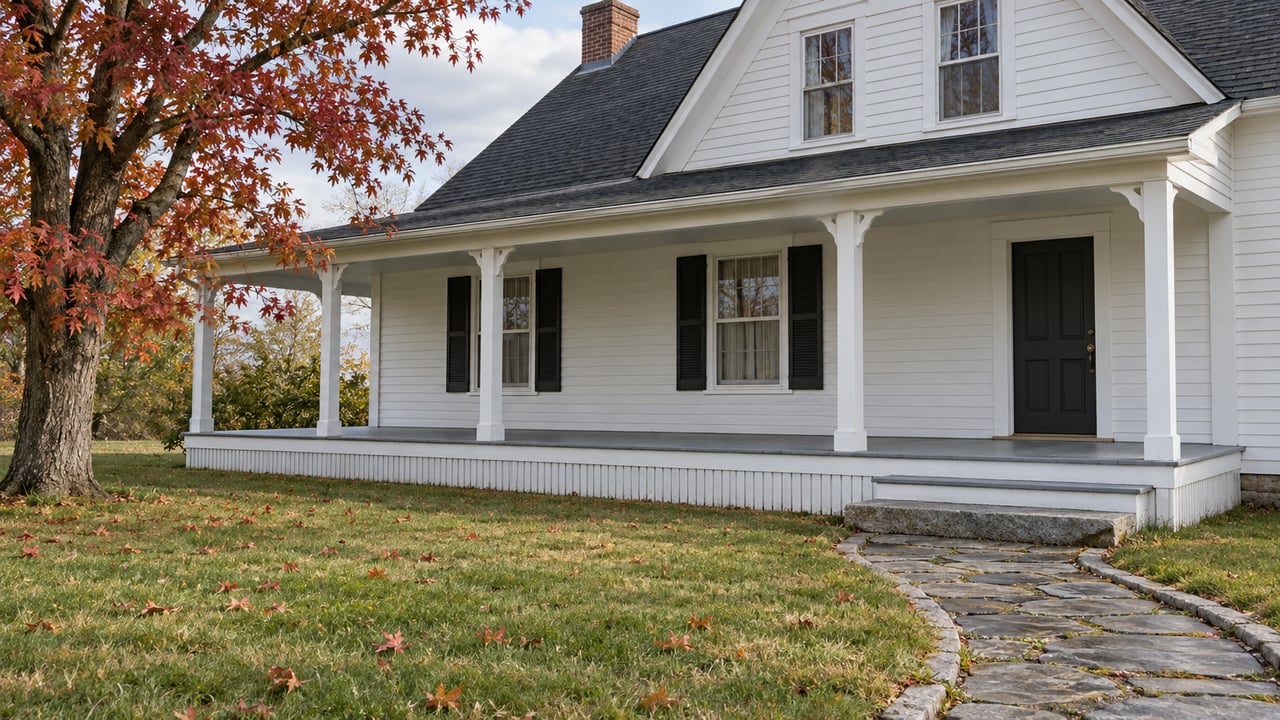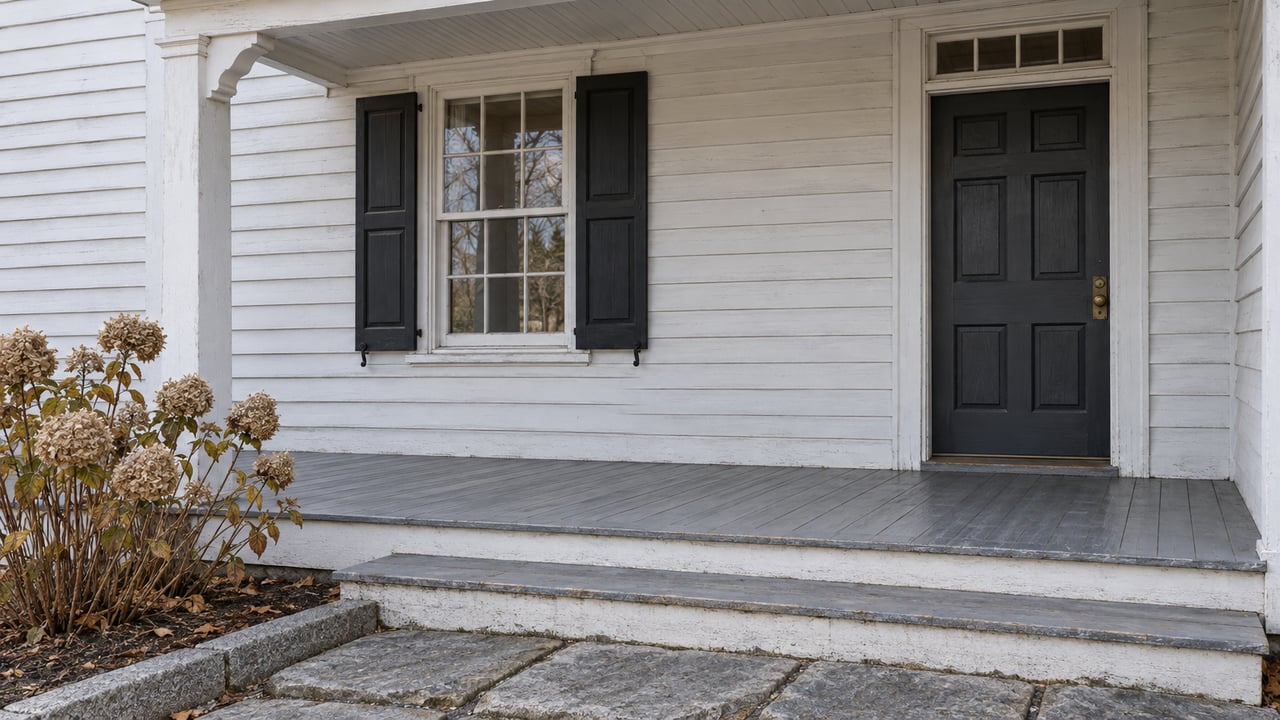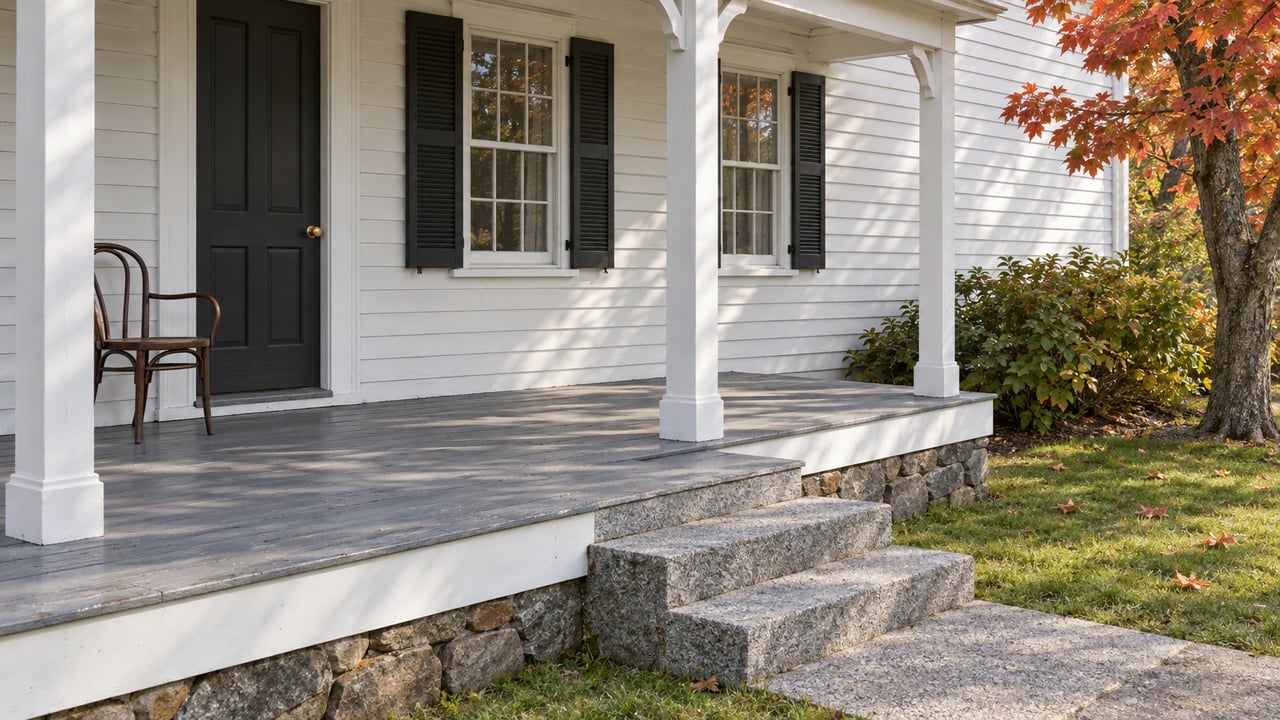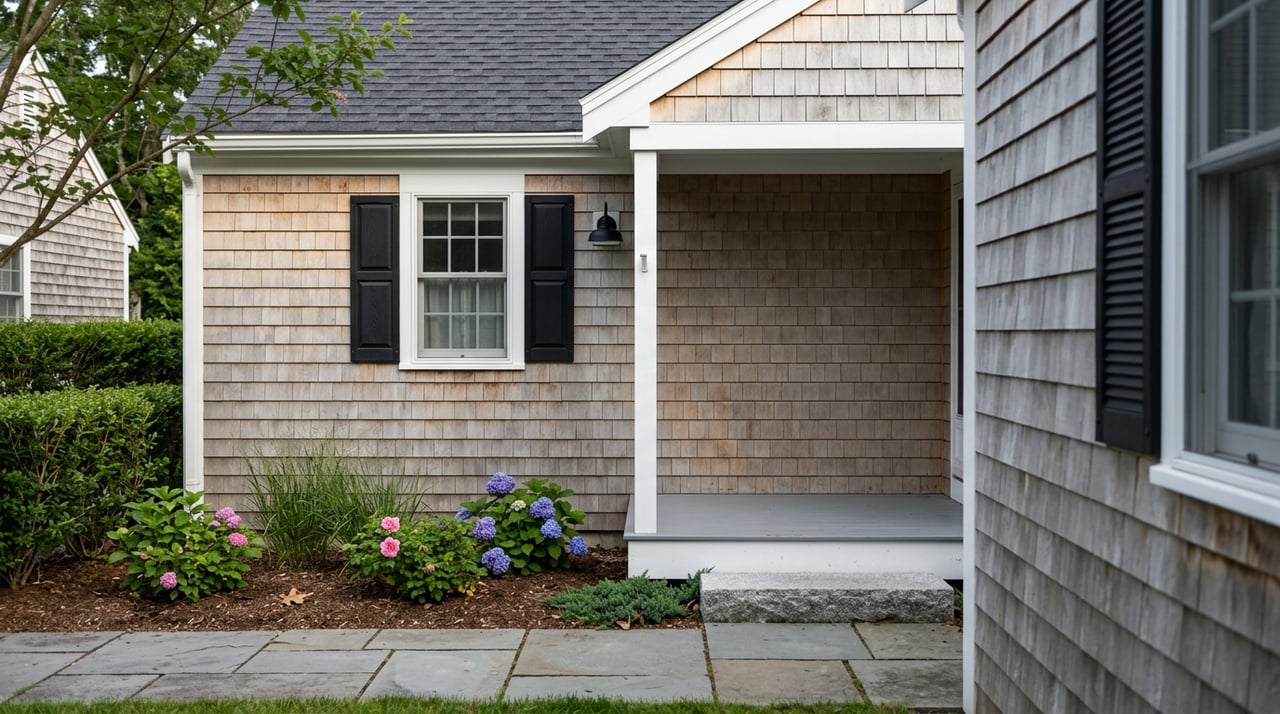
Two condos come across your feed on the same afternoon. Same beach access, same square footage, same asking price, similar photos. One can be your someday-retirement home. The other cannot legally house you for more than four weeks in a row, no matter how many mortgage payments you make. Nothing in the MLS description tells you which is which.
This is the piece of Wells that surprises second-home and investor buyers most often, and it is not solved by squinting harder at the listing. It is solved by learning two rules that live in different corners of the town code and pull in opposite directions.
The 28-day rule is an occupancy cap, not a rental rule
In several of the seasonal condominium and "contel" (condo-motel) developments that sit near Wells Beach, Moody Beach, and Drakes Island, the governing documents and the town's seasonal-use zoning prohibit any single occupant, including the owner, from staying more than 28 consecutive days at a time. The rule was written to preserve the seasonal character of communities that were built as vacation stock. It applies to how long a person can be in the unit, not to who is paying for the stay.
That distinction is the entire point.
A property under the 28-day cap can be rented multiple times a year, back to back, as long as no single stay exceeds 28 consecutive days. What it cannot be is anyone's year-round residence, including the owner's.
So the buyer picturing themselves eventually moving in full-time is looking at the wrong unit. The buyer running a spreadsheet on weekly summer rentals is looking at exactly the right one. Both buyers were shown the same listing.
Which communities this touches
The cap does not apply to every condo in Wells. It is concentrated in developments that were platted and permitted as seasonal or transient-lodging communities, and it typically shows up as a recorded covenant on the association's documents rather than as a town-wide rule. Barefoot Cottages, the resort-style community about a mile off Wells Beach, is one of the well-known examples in the Wells inventory. Several older condo-motel conversions along Route 1 and near the harbor carry similar language.
Because the cap rides on the community's governing documents, two neighboring properties on the same street can operate under completely different rules. A buyer relying on "condos in Wells work like X" is going to be wrong about half the time. The only reliable step is to pull the specific association's declaration and bylaws during diligence and read the occupancy clause with a lawyer or an agent who has seen it before.
The town's STR license is a separate lever
Independent of the 28-day question, the Town of Wells has its own short-term rental ordinance. Wells defines a short-term rental as any dwelling rented to transient guests for fewer than 30 days, and requires an annual license from the Town. The license process is online, new licenses go before the Board of Selectmen on a monthly cycle for approval, and renewals are processed each April.
A few things the license is and is not:
- It is required for any Wells rental of fewer than 30 nights, whether the unit is in a 28-day-restricted association or a fully unrestricted single-family home.
- It requires posting the license, and complies with length-of-stay, guest-count, and parking rules set in the ordinance.
- It is not a certificate of code compliance. The town's own memo is explicit that issuance does not constitute a finding that the property meets building, fire, life-safety, or zoning codes. That responsibility stays with the owner. The full town memo is worth reading before writing an offer on any rental-intent property.
- It does not override or replace the 28-day occupancy cap. If your unit is in a 28-day community, holding a Wells STR license does not let anyone stay 40 days. It only lets you legally rent the shorter stays you were already allowed to book.
Layered on top, Maine collects a 9% state lodging tax on stays under 28 days. Wells does not add a separate local lodging tax at this time, which keeps the math simpler than markets like Kennebunkport that tier fees by bedroom count.
How the two rules combine to change what your money buys
Because the occupancy cap and the STR license operate on different axes, a single Wells purchase price can produce very different property profiles depending on which combination the unit sits in.
| Occupancy status | STR license | What this unit can actually do |
|---|---|---|
| 28-day-capped association | Held | Rents in stays up to 28 days; owner uses in blocks; not a year-round residence |
| 28-day-capped association | Not held | Owner and family use in blocks up to 28 days; no paid transient stays |
| No occupancy cap | Held | Full range: year-round residence, long-term lease, or short-term rental |
| No occupancy cap | Not held | Year-round residence or long-term lease; no stays under 30 days for pay |
The two middle rows are where buyers get hurt. A buyer who assumed "no license, no problem, we'll live here in retirement" learns at closing that the association bars year-round occupancy. A buyer who assumed "with a license I can rent it however I want" learns that the association's 28-day cap sits on top of the town rule, not underneath it.
That is the mechanism the median price hides. The Wells beach-area condo median blends units from all four rows into one number. Two listings can share that number and still answer to totally different sets of rights.
Three things to check before you write an offer
- Read the association declaration and bylaws before the inspection period ends. The 28-day language, if it exists, will be in there, usually near the occupancy or use-restriction section. Do not rely on the seller's summary.
- Ask whether a current Wells STR license is in place, and when it renews. Because renewals are processed in April and new licenses go before the Board of Selectmen monthly, a closing timed to late spring can leave a buyer without an active license for the highest-revenue weeks of the year unless the transfer is handled cleanly.
- Confirm which state and local taxes apply to your intended use. The 9% Maine lodging tax hits transient stays under 28 days. Rentals of 28 days or longer are treated differently, and the platform you list on may or may not collect on your behalf.
For a broader look at how these mechanics play out across the four Wells submarkets, the companion piece on what the Wells median doesn't tell you walks through Moody, Wells Beach, Drakes Island, and the inland side of Route 1 separately.
FAQs
Does the 28-day rule apply to every condo in Wells? No. It applies where the association's recorded documents or the underlying seasonal-use zoning include an occupancy cap. Plenty of Wells condos have no such cap and can serve as year-round residences. The only way to know is to read the specific declaration for the property you are considering.
Can I stack multiple 28-day rentals back to back? Yes, that is the normal operating pattern in these communities. The rule limits any single consecutive stay, not the total number of stays in a year. A well-managed unit in a 28-day association can be booked most of the calendar as long as each guest turnover happens within the window.
Does an STR license transfer with the sale? Not automatically. Buyers should confirm the licensing status during diligence and plan for the Board of Selectmen approval cycle if a new license is needed. Timing matters most for closings in the March through May window, when the April renewal cadence can create a gap.
Is the 28-day cap the same as Ogunquit's 7-day minimum stay? No. Ogunquit sets a floor of seven days on rental stays through its business registration process. Wells's 28-day rule is a ceiling on any occupancy, paid or not, in specific communities. They are pointed in opposite directions and answer different policy goals.
If you are weighing a Wells beach condo as a second home, a rental investment, or something you can grow into, the association documents and the STR ordinance need to be read together, not in sequence. Brooke Peterson brings dual Maine and New Hampshire licensure and hands-on development and permitting experience to that read. Request your instant home valuation or schedule a consultation to walk through a specific property before you write the offer.