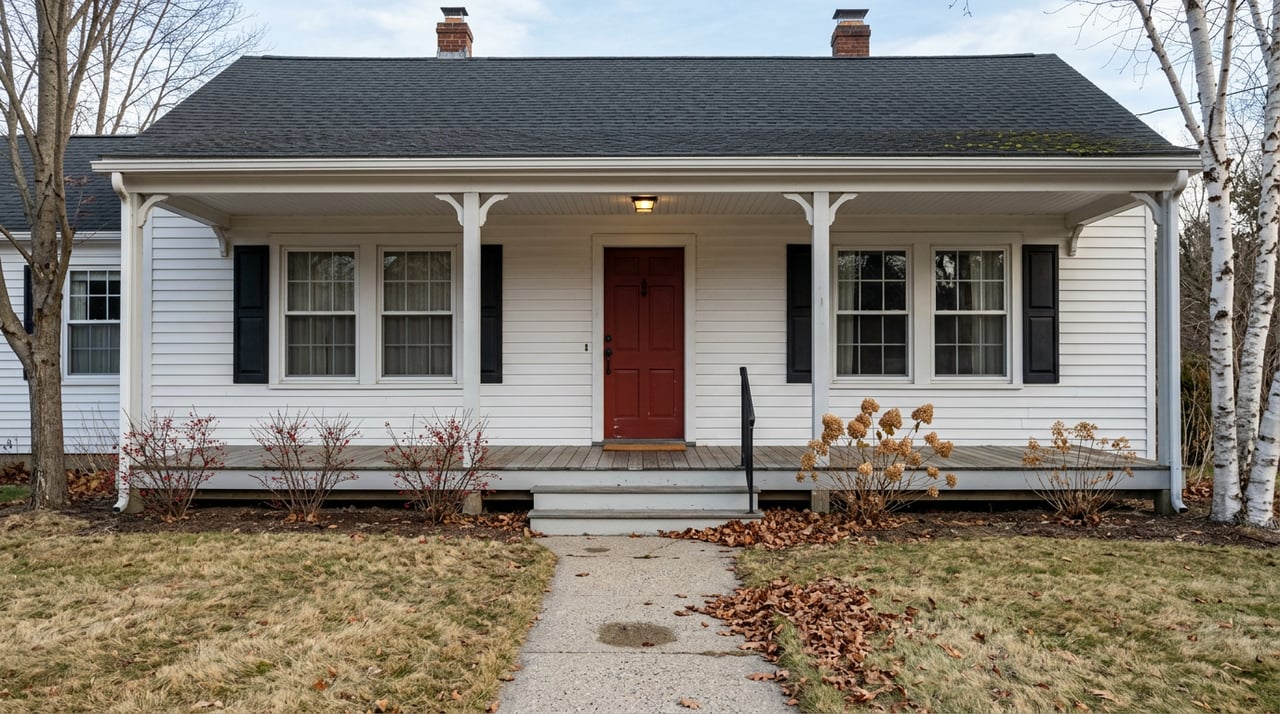
Trying to choose between Ogunquit and Wells for a second home on the Southern Maine coast? You are not alone. Buyers often weigh Ogunquit’s walkable, resort-town energy against Wells’ broader footprint, lower entry prices, and easy beach access. In this guide, you’ll compare prices, housing mix, lifestyle, rental rules, and the practical costs that matter before you buy. Let’s dive in.
Quick take: Ogunquit vs. Wells
Ogunquit is a compact, seaside village known for Ogunquit Beach, the Marginal Way cliff walk, and Perkins Cove’s dining and boat tours. The vibe is lively, walkable, and arts-forward, with a high share of seasonal homes and strong summer demand. If you want to park once, stroll to the beach and restaurants, and lean into a classic vacation-town feel, start here. Learn more about local attractions on the official town site at Ogunquit.org.
Wells covers a larger area with long public beaches, more year-round neighborhoods, and preserved natural spaces like the Wells Reserve at Laudholm. You tend to see a wider range of property types and a lower median price than Ogunquit, which makes Wells a common pick for value seekers, frequent weekenders, and families who prefer space and easier parking.
What your budget buys
Pricing in both towns can vary by metric. Median listing prices on aggregators reflect what is currently for sale, while median sale prices and ACS owner-value estimates capture different snapshots. Broadly, Realtor.com’s Ogunquit market page shows a higher median listing price than Wells, and Realtor.com’s Wells overview shows a lower median. Use brackets below to frame expectations.
Entry-level budgets
- Wells: Smaller cottages, inland single-family homes, and non-waterfront condos often start in the lower hundreds of thousands, with options under $500,000 depending on location and inventory.
- Ogunquit: Sub-$500,000 opportunities are limited. Expect higher entry prices for small seasonal units or cottages further from the main beach areas.
Mid-range budgets
- Wells: Roughly $400,000 to $800,000 can buy many two to three bedroom homes near beaches or in town.
- Ogunquit: Around $700,000 to $1.2 million typically buys smaller year-round homes or well-located condos. Proximity to Perkins Cove or Marginal Way can push prices higher.
Upper-tier and waterfront
- Ogunquit: Renovated ocean-side houses, waterfront parcels, and large homes with strong rental histories commonly list at $1 million and above.
- Wells: Premium waterfront and Moody or Drake’s Island properties can reach similar ranges, though the concentration of high-end listings is not as consistent as in Ogunquit’s core village.
Housing mix and seasonality
Ogunquit has a very high share of seasonal or vacant units. ACS-based summaries show ZIP 03907 with an estimated vacancy rate near 71 percent, a sign of a market built around second homes and visitor lodging. See the ZIP profile at 03907 on Zip-Codes.com.
Wells has more year-round housing. ZIP 04090 shows an estimated vacancy rate near 48 percent, which points to a broader mix of full-time residences and second homes. Explore the ZIP profile at 04090 on Zip-Codes.com.
What this means for you: Ogunquit often commands a pricing premium for walkability and in-season buzz. Wells typically offers more choices at lower price points and can be better suited to frequent year-round visits.
Beaches, boards, and getting around
Ogunquit: Walkable beach town feel
Ogunquit’s highlights include Ogunquit Beach, the Marginal Way, and Perkins Cove’s restaurants and boat tours. That compact, walkable footprint is a major draw for second-home owners who value a park-once lifestyle. In peak season, parking is tight, so many owners and guests rely on walkability, trolleys, and private on-site parking. For seasonal logistics and parking details, check the town’s FAQs and visitor info.
Wells: More space, easier parking
Wells offers broad public beaches, including Wells Beach and Drake’s Island, along with a working harbor and a layout that is more car-friendly. The town supports busy summer beaches with lifeguard and ocean rescue services, which many families appreciate. Learn about seasonal safety and operations at Wells Ocean Rescue.
Planning to rent your place
Both towns see peak short-term rental demand from June through September. Ogunquit’s walkable village setting often supports higher in-season nightly rates, especially near Marginal Way and Perkins Cove. Wells attracts strong family demand around its long beaches, typically at more moderate price points. Aggregated market snapshots, such as Realtor.com’s Ogunquit market page, reflect this premium positioning even when off-season indicators look similar.
Before you host guests, make sure you comply with state and any local requirements. Maine requires a state vacation-rental registration and permit, including DHHS registration and proof of appropriate insurance. Review the state statute at HP1147 / LD 1588. Rentals are also subject to Maine’s lodging tax, currently listed by Maine Revenue Services as 9 percent under Rentals of Lodging. Rate details are at Maine Revenue Services.
Use this quick STR checklist:
- Confirm your Maine DHHS vacation-rental permit and display it as required.
- Ask the town clerk or code office about any local short-term rental registration, inspection, occupancy, or parking rules.
- Verify septic capacity and on-site parking to match your intended guest count.
- Register for lodging tax and budget for remittances, even if a platform collects on your behalf.
Note for Moody Beach in Wells: public-access rules on some frontage have been the subject of hearings and debate. If you plan to buy or host guests in that micro-area, review current town updates before making assumptions about beach use.
Practical cost and risk checks
Property taxes
Town tax rates are set annually and can change with budgets and valuations. As a reference point, Ogunquit’s assessor data has listed an FY2025–26 tax rate of about $6.73 per $1,000 of assessed value. Always confirm the current rate with the assessor. You can explore parcel-level data at the Ogunquit GIS/assessor portal.
Insurance and coastal risk
Oceanfront and near-coast properties often sit in flood zones and face higher wind exposure. Plan for flood coverage where required, higher wind or hurricane deductibles, and updated elevation information. Ask your insurance agent for quotes early in your search, and confirm a property’s FEMA flood zone and elevation certificate before you finalize an offer.
Septic, water, and utilities
Many coastal lots rely on private wells and septic systems. Septic capacity can limit occupancy and short-term rental plans. Request recent inspection logs, ask about pumping schedules, and budget for winterization. Town assessor or GIS pages sometimes note well or septic details, so include those in your due diligence using resources like the Ogunquit GIS.
Travel and access
If you plan frequent weekend visits, both towns are convenient to I-95. Portland Jetport is the closest commercial airport for most travelers, and Boston-area owners often drive about 1.5 to 2 hours depending on traffic. Ogunquit rewards a walk-to-everything stay once you arrive. Wells offers easier driving and parking across a wider area.
Maintenance and seasonal operations
Coastal homes need steady upkeep. Budget for winterizing, snow removal, HVAC service, pest control, and exterior maintenance due to salt exposure. If you plan to rent, include cleaning and property management, trash requirements, and local parking rules in your operating costs.
Which town fits you?
- Choose Ogunquit if you want lifestyle and walkability and you are comfortable paying a premium for proximity to the beach, Marginal Way, and Perkins Cove. It can be a strong candidate for a premium short-term rental within a short walk of high-demand attractions.
- Choose Wells if you want affordability, space, and broad public beaches with more year-round neighborhoods. It often suits families who will drive to the beach, need easier parking, or want a lower entry price for a second home.
Next steps
Every property and street in these towns has its own nuance, from flood zones and septic capacity to parking, beach access, and short-term rental compliance. If you want a second home that fits your lifestyle and your numbers, let’s talk through your goals, budget, and timeline. Work with Brooke Peterson for local guidance, builder-level insight on shoreland and waterfront considerations, and a clear plan from search to closing.
FAQs
How do Ogunquit and Wells prices compare for second homes?
- Aggregators show higher median listing prices in Ogunquit and lower medians in Wells, with Ogunquit’s premium tied to walkability and core-village proximity.
Is Ogunquit or Wells better if I want to park once and walk?
- Ogunquit is more compact and walkable near the beach, Marginal Way, and Perkins Cove, while Wells spans a larger, more car-friendly area with broader public beach parking.
What short-term rental rules should I know before buying?
- Maine requires a state vacation-rental permit and 9 percent lodging tax, and towns may add local registration, inspection, occupancy, and parking rules.
How seasonal is rental demand in these towns?
- Both see peak demand from June to September, with Ogunquit’s village setting often supporting higher in-season nightly rates near top attractions.
What extra costs should coastal buyers plan for beyond the mortgage?
- Budget for property taxes, flood and wind insurance, winterizing, exterior upkeep from salt exposure, septic maintenance, and cleaning or management if you plan to rent.